Casino Guides for Beginners: Understanding Game Structure, Rules, and Probabilities

Casino Guides for Beginners: Understanding Game Structure, Rules, and Probabilities
Stepping into the world of casinos for the first time can feel both thrilling and overwhelming. The flashing lights, the sound of chips, and the variety of games with different rules and strategies can make it hard to know where to start. But with a basic understanding of how casino games work and what probabilities mean, you can enjoy a more informed and entertaining experience. This guide will help you understand the structure of casino games, their basic rules, and how to use knowledge of probabilities to play more wisely.
Understanding the Casino Structure
Whether you’re visiting a casino in Las Vegas or playing online from home, casinos are built around a wide range of games, each with its own rules and odds. Generally, casino games fall into three main categories:
- Table games – such as blackjack, roulette, baccarat, and poker. In these, you play either against the house (the casino) or against other players.
- Slot machines – the classic spinning reels where you bet and hope to land a winning combination.
- Live dealer and sports betting – where you can play in real time with a live dealer or wager on the outcome of sporting events.
The structure of a casino is designed to provide excitement and entertainment, but it’s important to remember that the house always has an advantage—known as the house edge. This doesn’t mean you can’t win, but it does mean that over time, the odds favor the casino.
Learning the Basic Rules
Before you start playing, it’s a good idea to learn the basic rules of the most popular games. Here’s a quick overview:
- Blackjack: The goal is to get a hand as close to 21 as possible without going over. You play against the dealer, not the other players.
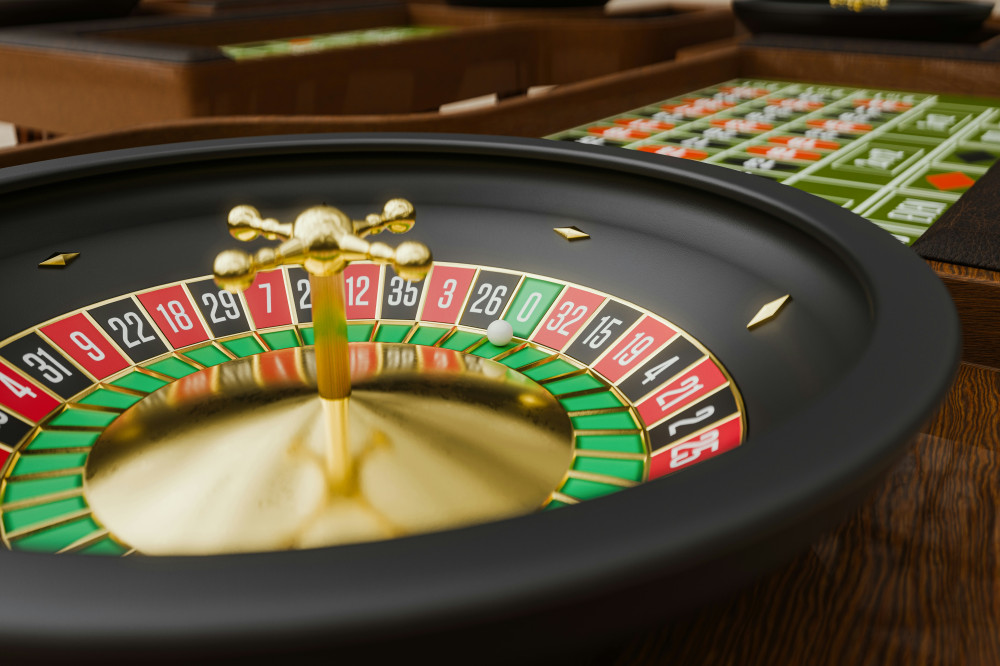
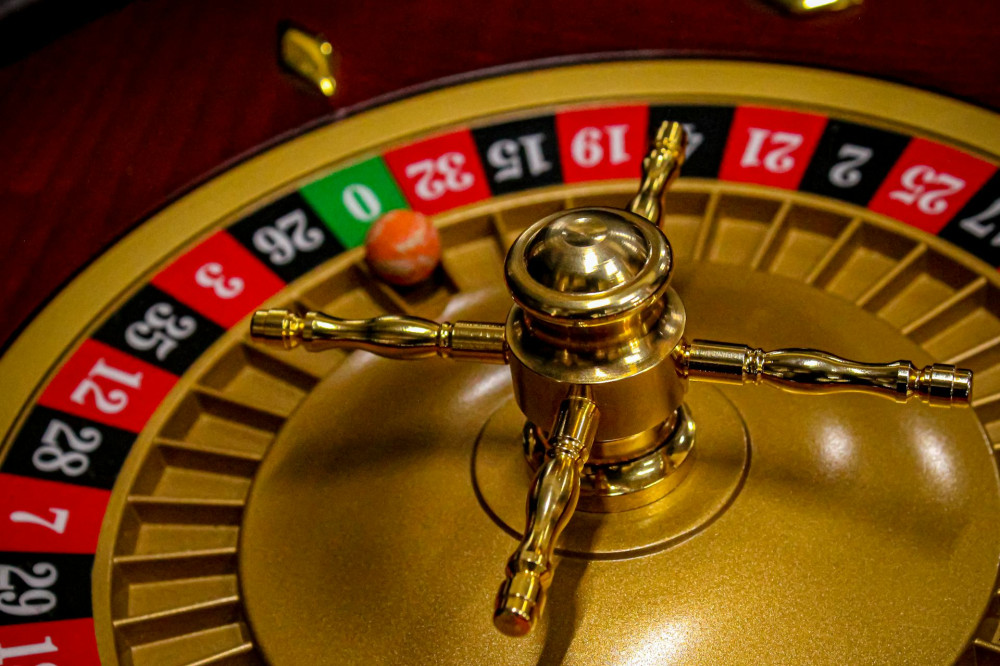
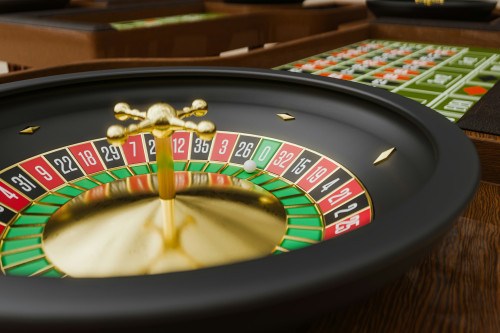
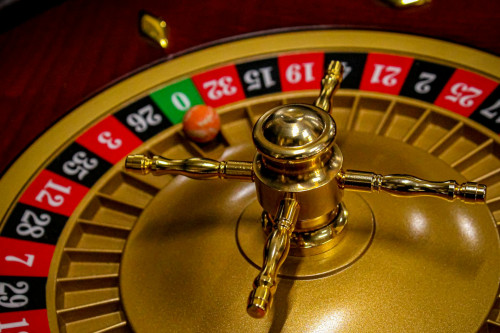
- Roulette: You bet on where the ball will land on the wheel—on a specific number, a color (red or black), or a range of numbers. The more specific your bet, the higher the payout—but also the higher the risk.
- Poker: A strategic game that combines luck, psychology, and math. There are many variations, but the main idea is to form the best hand or convince your opponents to fold.
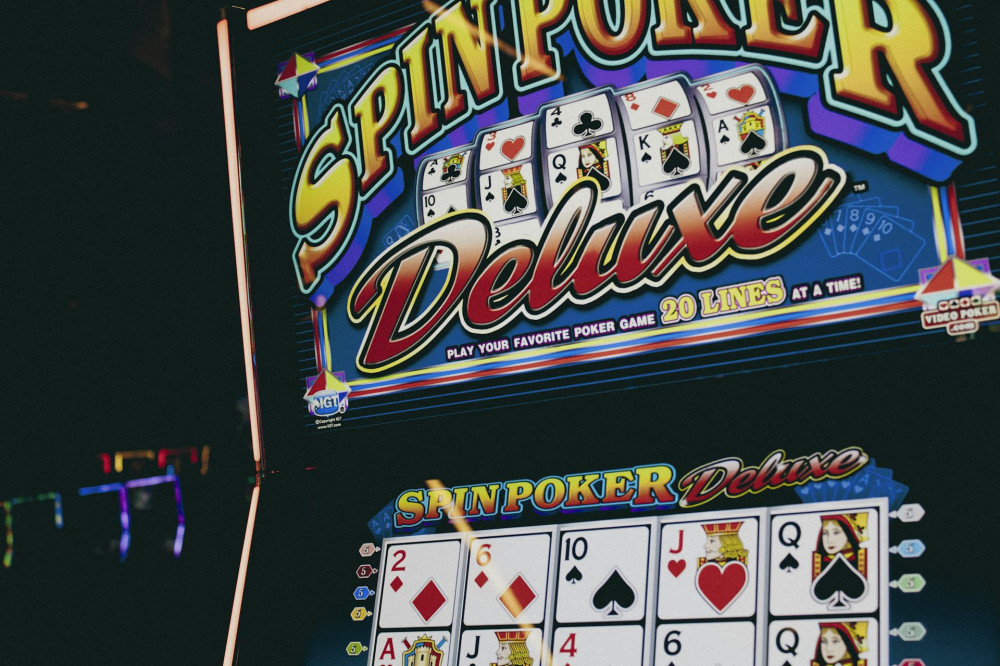
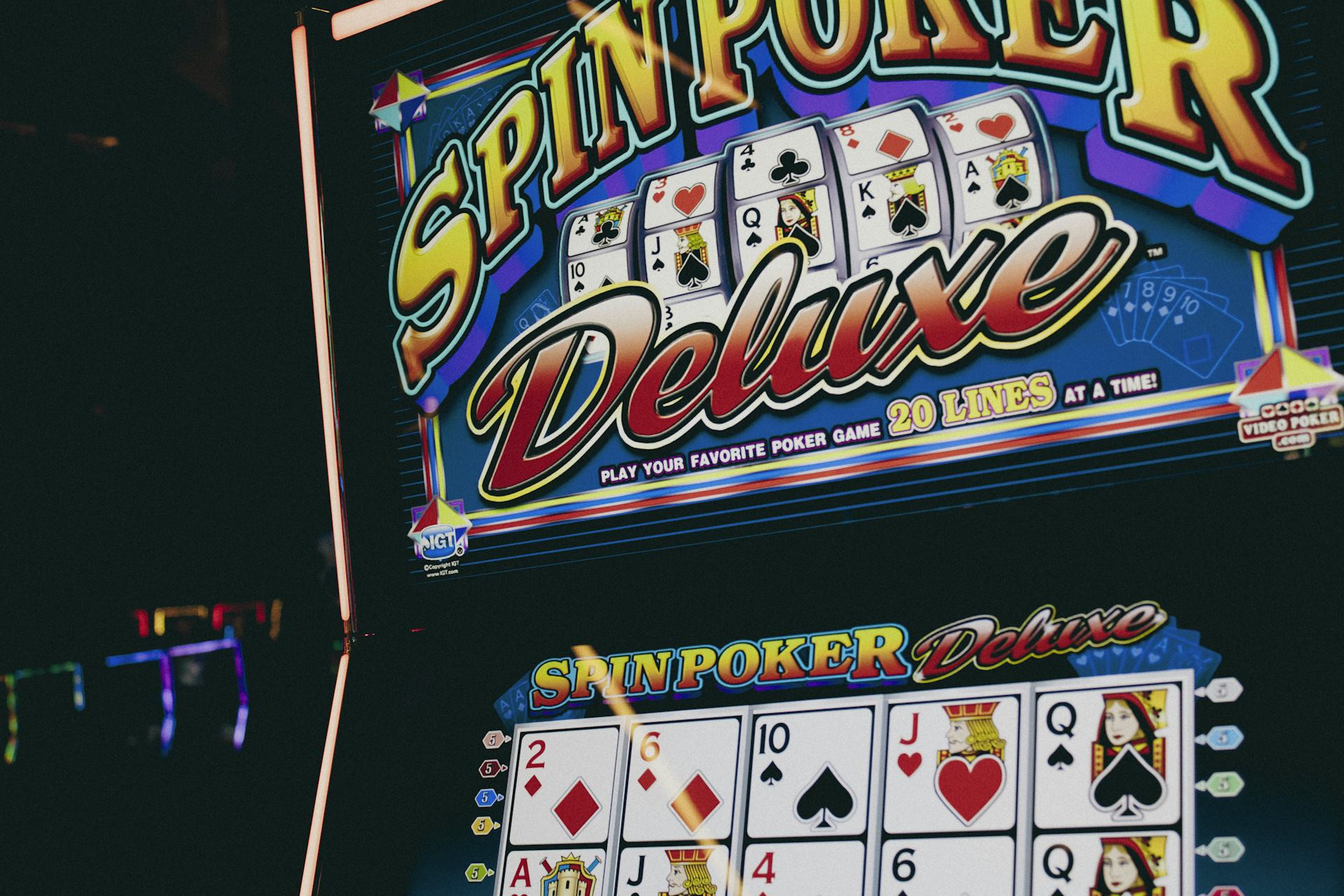
- Slot machines: You spin the reels and hope the symbols line up in a winning combination. Many modern slots include bonus rounds and special features that add to the excitement.
Knowing the rules not only makes the games more enjoyable but also helps you make smarter decisions while playing.
Probabilities and the House Edge
One of the most important concepts in casino gaming is probability. Every game has a built-in mathematical advantage for the house, ensuring that the casino makes money in the long run. For example:
- In roulette, the house edge is about 5.26% in the American version (with both a single and double zero).
- In blackjack, the house edge can be reduced to under 1% if you play with optimal strategy.
- In slot machines, the return to player (RTP) percentage typically ranges from 90% to 98%.
By understanding these numbers, you can choose games that give you the best chances—and also recognize that luck always plays a role.
Læs også:


Strategy and Responsible Gaming
While casino games are largely based on chance, strategy and discipline can make a big difference. Here are some key tips:
- Set a budget – and stick to it. Never gamble with money you can’t afford to lose.
- Know your limits – stop while you’re ahead or when the fun stops.
- Choose games with a low house edge – such as blackjack or certain types of video poker.
- Learn basic strategies – for example, blackjack’s basic strategy chart can help you decide when to hit, stand, or double down.
- Avoid myths – there are no guaranteed systems that can beat the house in the long run.
Responsible gaming means treating the casino as entertainment—not as a way to make money.
Online Casinos – New Opportunities, Same Principles
With the rise of online casinos, it’s easier than ever to play from home. Most online platforms offer free demo versions of their games, allowing you to practice without risk. This is a great way to learn the rules and get comfortable before playing for real money.
However, the same principles apply online as in a physical casino: the house always has an edge, and responsible play is key to a positive experience.
Conclusion: Play Smart and for Fun
Understanding the structure, rules, and probabilities of casino games won’t make you a professional gambler, but it will give you a solid foundation. When you know how the games work and what your real chances are, you can play more consciously and enjoy the experience more fully.
In the end, casinos are about excitement, social interaction, and entertainment. If you play with awareness and respect your limits, it can be a fun and engaging hobby—whether you’re stepping into a casino for the first time or simply want to understand the mechanics behind the games.
Læs også: