Patterns and Textures: How to Create Balance in Your Outfit


Patterns and Textures: How to Create Balance in Your Outfit
Mixing patterns and textures can bring personality and depth to your outfit – but without balance, it can easily look chaotic. The key is understanding how different fabrics, colors, and prints interact. Here’s a guide to help you create harmony in your look while keeping it stylish and expressive.
Start with a Solid Base
A balanced outfit begins with a simple foundation. Think of classic pieces like a plain white tee, a pair of tailored jeans, or a neutral dress. This base acts as your canvas, allowing you to layer on more eye-catching elements without overwhelming the look.
Stick to timeless shades like black, white, beige, navy, or gray. These colors create a sense of calm and make it easier to add patterns and textures that stand out in a cohesive way. Once your base is set, you can start experimenting with layers and details.
Mix Patterns with Intention
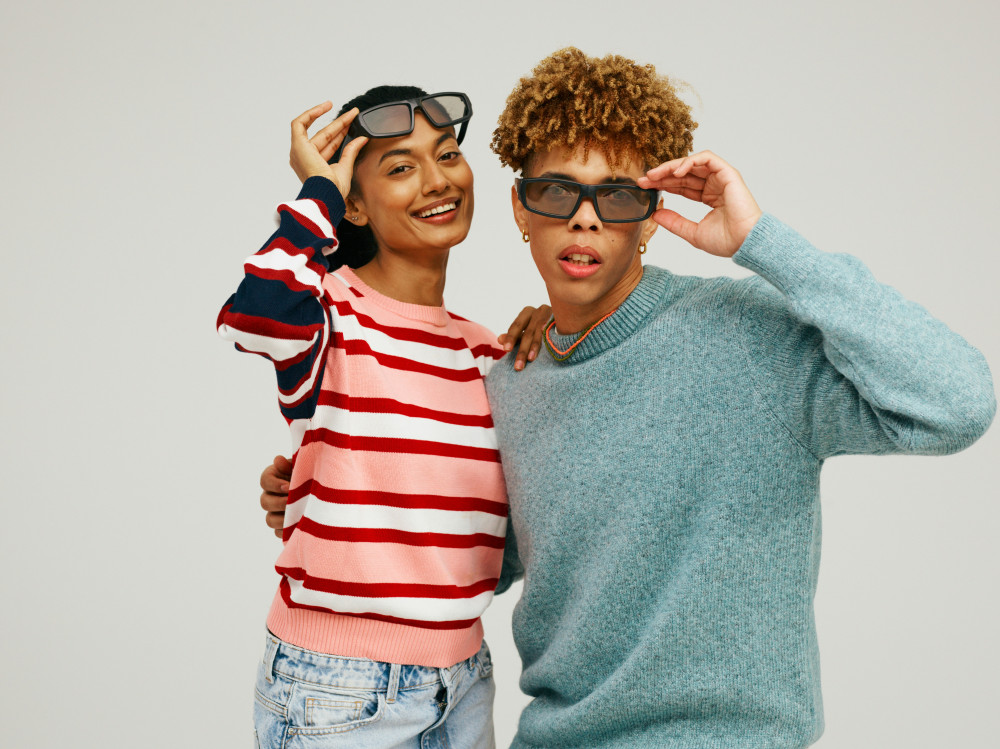
Combining patterns takes a bit of confidence and a touch of strategy. A good rule of thumb is to stay within the same color family. For example, if you’re wearing a striped blouse in shades of blue, pair it with a skirt featuring small dots or subtle checks in similar tones. This creates visual interest without clashing.
You can also play with scale: pair large floral prints with fine stripes or small plaids for a dynamic yet balanced look. Just be careful not to overdo it—two patterns are usually enough to keep things stylish rather than busy.
Use Textures to Add Depth
Texture is all about how fabrics feel and look. A chunky knit, smooth silk, or soft suede can completely change the mood of an outfit. Mixing textures adds depth and dimension, even when you’re working with a monochrome palette.
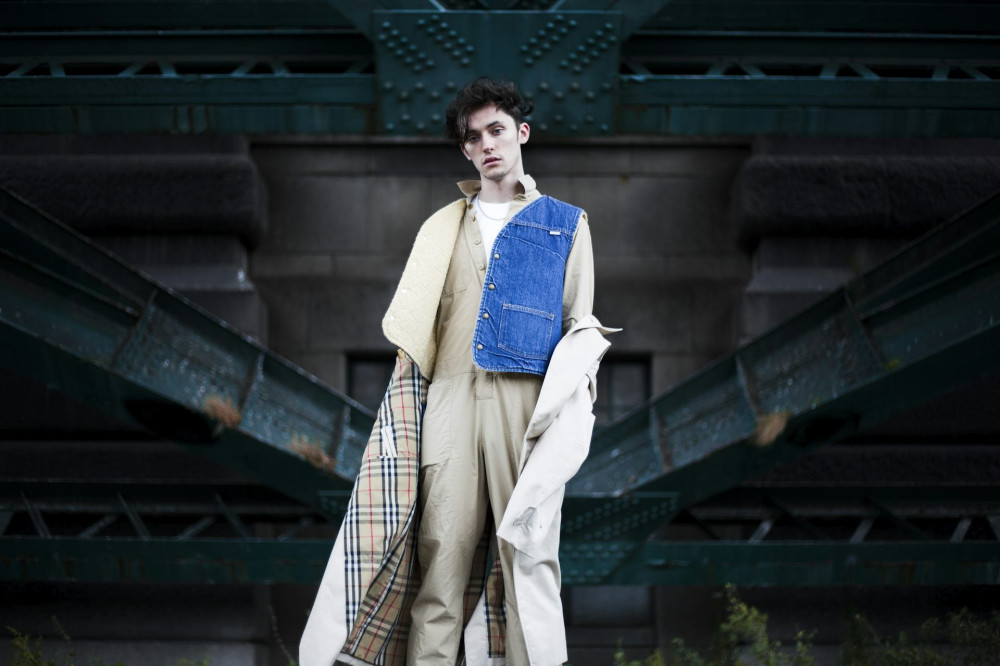
Try pairing a cozy cashmere sweater with sleek leather pants, or layer a denim jacket over a satin dress. The contrast between rough and refined materials creates balance and makes your outfit more visually engaging.
Let Color Tie It All Together
Color is the thread that connects patterns and textures. When mixing multiple elements, let one color repeat throughout your outfit. It could be a tone that appears in both your top and accessories—say, a hint of olive green in your blouse echoed in your handbag.
If you’re unsure, stick to a neutral palette and add one accent color. This approach keeps your look clean and polished while still allowing details to shine.
Accessories That Complete the Look
Accessories can make or break the balance of your outfit. If your clothing already features bold patterns or rich textures, go for simple jewelry and understated shoes. On the other hand, a minimalist outfit can be elevated with a textured handbag or metallic heels.
Pay attention to materials, too: suede boots pair beautifully with wool coats and knits, while smooth leather shoes complement silk blouses and tailored suits. The goal is to create a sense of cohesion from head to toe.
Læs også:


Find Your Personal Style Balance
There are no strict rules when it comes to mixing patterns and textures—the most important thing is that you feel confident and comfortable. Use your mirror as your guide, and don’t be afraid to experiment. Some days call for simplicity, others for boldness.
Once you learn how to balance different elements, your outfits will start to feel effortlessly put together and uniquely yours. That’s when your personal style truly comes to life.
Læs også: