Meaningful Words of Remembrance: How They Support the Grieving Process


Meaningful Words of Remembrance: How They Support the Grieving Process
When someone we love passes away, we are left with sorrow, longing, and the challenge of finding words that can hold the weight of our loss. Words of remembrance—those spoken or written to honor the deceased—can play a vital role in the grieving process. They help us express emotions, make sense of what has happened, and preserve the connection to the person we’ve lost. But how exactly do these words support healing, and what makes them meaningful?
Words as a Bridge Between Loss and Memory
In times of grief, language can feel inadequate. Yet we turn to words—in eulogies, obituaries, sympathy cards, and social media tributes—because they give shape to what feels overwhelming. Words of remembrance act as a bridge between loss and memory. They help us hold on to the meaning of a life and remind us that love does not end, even when a life does.
Writing or hearing words of remembrance can bring a sense of calm amid sorrow. It becomes a way to say goodbye, but also a space for gratitude and reflection. Many people find that it’s only when they put their feelings into words that they begin to understand the depth of their loss.
When Community Carries the Grief
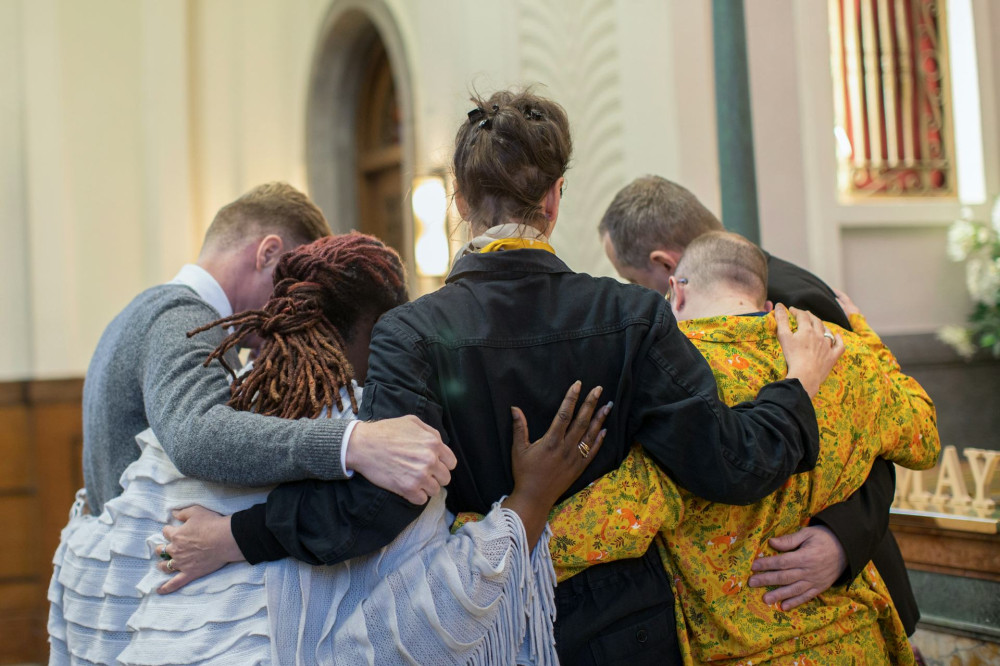
Words of remembrance are not only for the person who writes or speaks them—they are also for the community surrounding the deceased. At funerals, memorial services, or celebration-of-life gatherings, these words become a focal point where family, friends, and colleagues can share memories and emotions. This shared experience fosters connection and helps distribute the weight of grief.
Often, it’s in someone else’s words that we find comfort. When another person expresses what we cannot, it resonates deeply and eases the sense of isolation. Words of remembrance remind us that we are not alone in our grief—that others, too, have loved, missed, and mourned.
How to Write Meaningful Words of Remembrance
Writing words of remembrance can feel daunting, especially when emotions are raw. But perfection isn’t the goal—authenticity is. What matters most is that the words come from the heart. Here are a few suggestions to help you begin:
- Start with memories. Recall moments that capture who the person was—their humor, kindness, or quirks that made them unique.
- Be personal. Use your own voice and experiences. Genuine words resonate more than polished ones.
- Balance sorrow with gratitude. Remembrance is not only about loss but also about the love and joy that were shared.
- Keep it simple. You don’t need grand language—often, the quietest words touch the deepest.
- End with hope. Reflect on how the person’s spirit continues to live on in memories, lessons, or the lives they touched.
If you’re struggling to start, talk with others who knew the person. Shared stories can spark memories and help you find the words you want to say.
Words of Remembrance as Part of Healing
Grief is a journey that takes time, and words of remembrance can be a step toward peace. When we articulate our thoughts, we also process our emotions. This act of expression can bring clarity and help us accept that life continues, even as we hold on to what was.
Some people choose to write words of remembrance long after the funeral—perhaps as a letter to the loved one or a personal reflection. Doing so can be a way to maintain connection and find meaning in the ongoing process of healing.
Læs også:


A Language of Love and Farewell
Ultimately, words of remembrance are an expression of love. They testify that a life mattered—that someone left a mark on us and on the world. When we share those words, we share the love that was given and received. And in that quiet space created by language, grief can find a place to rest.
Læs også: