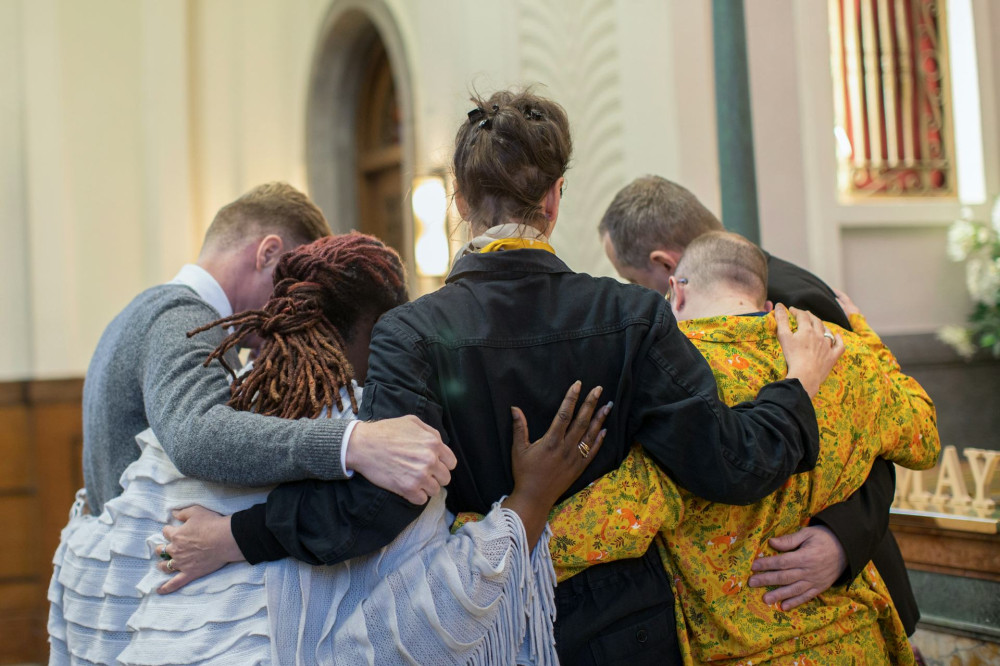
Professional Grief Support – What to Expect from a Session with a Grief Counselor?

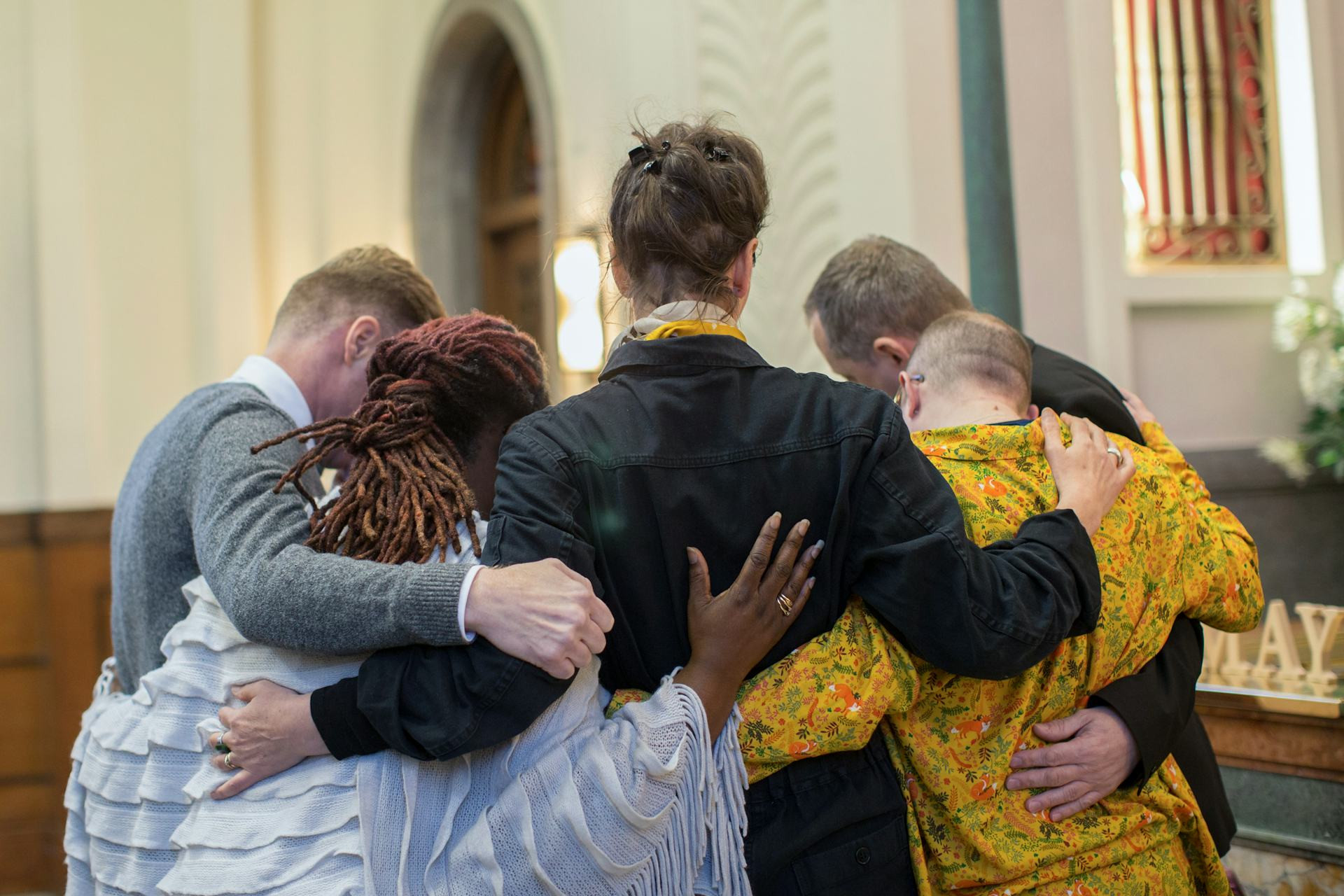
Professional Grief Support – What to Expect from a Session with a Grief Counselor?
Losing someone you love is one of life’s most profound experiences. Grief can take many forms—sadness, anger, confusion, or even numbness—and it can affect your body, mind, and relationships. For some, the weight of loss can make it difficult to function day to day. In these moments, professional grief counseling can offer meaningful support. But what actually happens in a session, and what can you expect when you reach out for help?
A Safe Space to Talk About Loss
A grief counselor provides a confidential, compassionate space where you can speak openly about your loss. Many people find that friends and family return to their routines while they are still struggling to make sense of their grief. In counseling, there is no pressure to “move on” or “be strong.” The focus is on giving your emotions room to exist—whether they are quiet, chaotic, or conflicting.
Your counselor listens without judgment and helps you put words to feelings that may be hard to express elsewhere. You might talk about sadness, guilt, relief, or the sense of emptiness that often follows a loss. The goal is not to fix your grief, but to help you understand and live with it.
What Happens During a Grief Counseling Session?
Each session is tailored to your unique situation. There’s no single formula, but most sessions include three key elements:
- Telling Your Story – You’ll have the opportunity to share about the person you lost and the circumstances surrounding the loss. This storytelling can be an important part of processing what happened.
- Exploring Emotions and Reactions – Your counselor will help you recognize and understand your emotional and physical responses to grief. This might include discussing how grief affects your sleep, concentration, or relationships.
- Finding Balance in Daily Life – Together, you’ll explore ways to navigate everyday life while honoring your loss. The goal isn’t to forget, but to find small steps toward a new sense of balance.
Some people find that a few sessions are enough, while others benefit from ongoing support over a longer period. The pace depends on your needs and where you are in your grieving process.
Læs også:



Grief Counseling vs. Therapy
Grief counselors come from different professional backgrounds. Some are licensed therapists or social workers, while others are trained specifically in grief support. The focus of grief counseling is not on diagnosing or treating mental health disorders, but on helping you cope with the emotional and practical challenges of loss.
If your grief becomes overwhelming or leads to symptoms of depression, anxiety, or prolonged grief disorder, your counselor can refer you to a licensed mental health professional for additional care. For many, grief counseling serves as a first step toward understanding their emotions and finding healthy ways to manage them.
When to Consider Professional Support
It’s common to wonder whether your grief is “serious enough” to seek help. The truth is, there’s no right or wrong kind of grief. If your loss is affecting your ability to sleep, work, connect with others, or find joy in life, it may be time to talk to a professional.
In the United States, you can find grief counselors through hospices, hospitals, community mental health centers, faith-based organizations, or private practices. Some offer individual sessions, while others facilitate grief support groups where you can connect with people who have experienced similar losses.
Taking a Step Toward Healing
Grief doesn’t disappear—it changes over time. It may become less intense, but it can still resurface in waves. A grief counselor can help you find ways to live with your loss so that it becomes part of your story rather than something that defines it.
Seeking professional grief support is not a sign of weakness—it’s an act of self-care. It’s a way to honor your loss while giving yourself permission to heal, one conversation at a time. With guidance and compassion, you can learn to carry your grief alongside your memories, love, and hope for the future.
Læs også: